




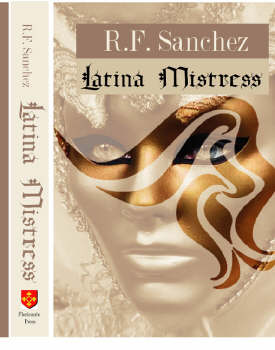
Although he published a short novel about horse racing in 1981 (as Ray, not R.F.), this one is a mature study that deserves closer attention. He has chosen a set of characters who came to El Paso in the 1960s by wading the river, and traces their failures and successes into the 1990s.
The early part of the book centers on Berta, a 16-year-old from a tiny town in Mexico, who has seen a toaster but never before washed clothes and dishes in machines. She suffers inevitable rapes by her employers, becomes pregnant, and tries to return home. The Anglo male sense of entitlement to sexual favors is discussed by various characters.
Thirty years later, a new generation is working out sexual and marriage issues, still centered on cultural differences and questions of bigotry.
Berta's sister, Rosario, kept working in El Paso and ultimately married a lonely widower whom she had served as housekeeper (without premarital sex). Their daughter, Rosa Jones, represents the product of intermarriage who encounters social conflicts and falls in love with a handsome Anglo whose parents quickly disapprove of her.
When the young couple proposes living together but not marriage, Rosario is devastated. She spends most of a chapter analyzing in detail the advantages and disadvantages of intermarriage as it is handled by Anglos and Hispanics. In protesting her daughter's decision, Rosario flees to relatives in Mexico, then returns to her husband, who could not understand her actions.
Local readers will enjoy references to local landmarks ("Our phone bills are going to be higher than Mount Franklin") and eateries (Leo's, La Hacienda).
In moving from books about UTEP basketball into fiction, Sanchez shows a depth of concern about the themes of the book. But beyond the well-drawn characters and the rather predictable plot, the reader is impressed by the author's sensitivity to intercultural conflicts as they evolve through the years of his story, and by the haunting ambience of life in la frontera.
Nancy Hamilton is past president of Western Writers of America and a former Times book page editor.